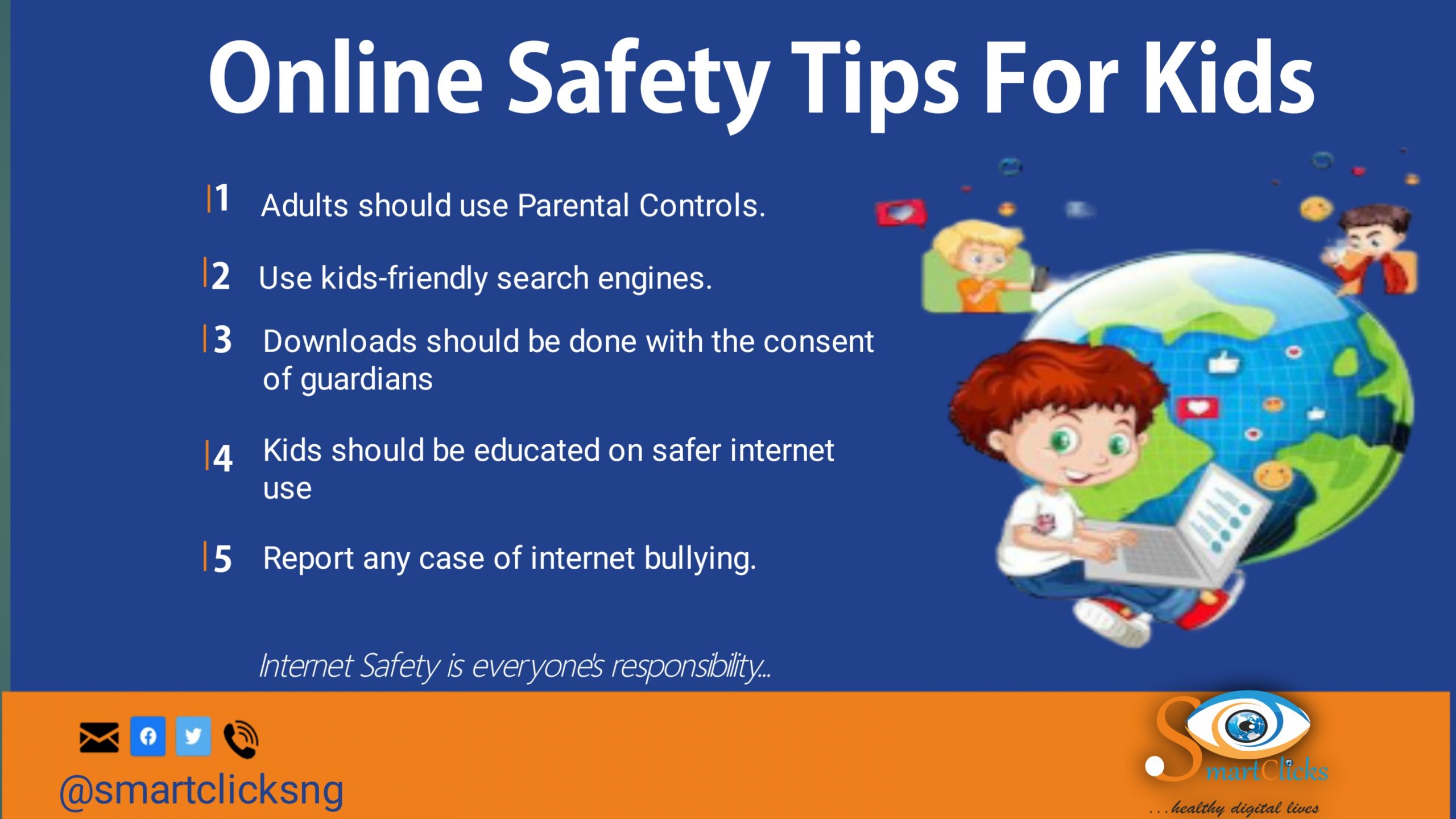
Online Safety Tips For Kids
What is Online Safety?
Online safety is the ability to understand and recognize threats that exist on the internet, as well as having the skills and knowledge to avoid these threats. This includes knowing how to keep personal information private and secure online, protecting devices from malware, avoiding harmful or illegal content, and managing online relationships safely.
It can be difficult to keep your kids completely safe online. Even if you set up parental controls on your home computer, your kids will use many other computers that don’t have parental controls. To keep your kids safe, you’ll need to teach them to make good decisions online even when you’re not around.
What are the potential risks when using the internet?
Everything comes with a risk. To understand a bit more about children’s internet safety, it’s important that we know about the risks that we face when using the internet. Here’s a summary of some potential risks to be aware of.
- Damaging Personal Information. Sharing personal information can make one vulnerable. There are severe damages incurred whether one shares bank details with strangers accidentally, or releases confidential family plans on the social media. Thus, a caution to be mindful of posts or activities carried out online. Creating an awareness to children on information to withhold from the online space can also be of help.
- Speaking to Strangers. Strangers on the internet can try to take advantage of children’s vulnerability, and this can result in devastating online experience as well as real life situations. Children can also be invited for physical meetings by strangers who have bad intentions.
- Internet Addiction. The overuse of the internet is known as internet addiction. Its symptoms include mood swing from online activities, lack of concentration, and lack of adequate sleep. Children have devised several means to ensure that they spent adequate time on the internet regardless of the implication of their actions. This results to internet addiction
- Internet Bullying. Internet bullying is one of the most prevailing problems on the online space that calls for critical consideration and attention. This has to do with sending, posting, or sharing negative, harmful, false, or mean contents about someone else. It could involve sharing someone’s personal information to the public. The coming of multiple social media applications has made this issue a vital cause of consideration.
Other potential risk of using the internet are
-
- Downloading malware or threat
- Scams/Phishing
Online Safety Tips for Kids
- Adults should use Parental Control. Parental controls are designed to help protect children from inappropriate content online, such as pornography or other adult content. These controls can be used in a number of ways, e.g. to help ensure that your children access only age-appropriate content or to set usage times and monitor activity.
- Use a kid-friendly search engine. A search engine is a software program that helps people find the information they are looking for online using keywords or phrases. Search engines are able to return results quickly. On your Android tablet, you can get Google Kids Space, which helps kids discover, create, and grow. Kids can access apps, books, and videos that are recommended based on their ages and interests. They can also customize their experience by creating their own character.
- Download should be done with the consent of parents. Parental controls are a group of settings that put you in control of what content your child can see. Plus, the privacy settings, these can help you protect your children from inappropriate content, online grooming, internet bullying and other online safer issues.
- Kids should be informed on safer internet use. It’s a good idea to explain to your child that the internet has all lot of illegal and harmful contents that isn’t good for children. Children should be encouraged to talk to parents or another trusted adult if they see something that worries them.
- Report any case of internet bullying. If you name things to look out for, it can help your child identify inappropriate material. For example, ‘If you see a site with scary or rude pictures or angry words, report to an adult. If you encourage your child to think critically about internet content, this helps them learn to spot good-quality information online.
source raisingchildren.net.au twinkl.com learning.com